
Post Myocardial Infarction Treatment in Guanacaste, Costa Rica
Personalized post-myocardial infarction treatment in Guanacaste for individuals recovering after a heart attack. At Stem Cells Institute, care begins with a detailed medical review focused on heart function, cardiovascular history, previous procedures, current medications, and whether additional regenerative approaches may be appropriate to discuss.
What Happens After a Myocardial Infarction?
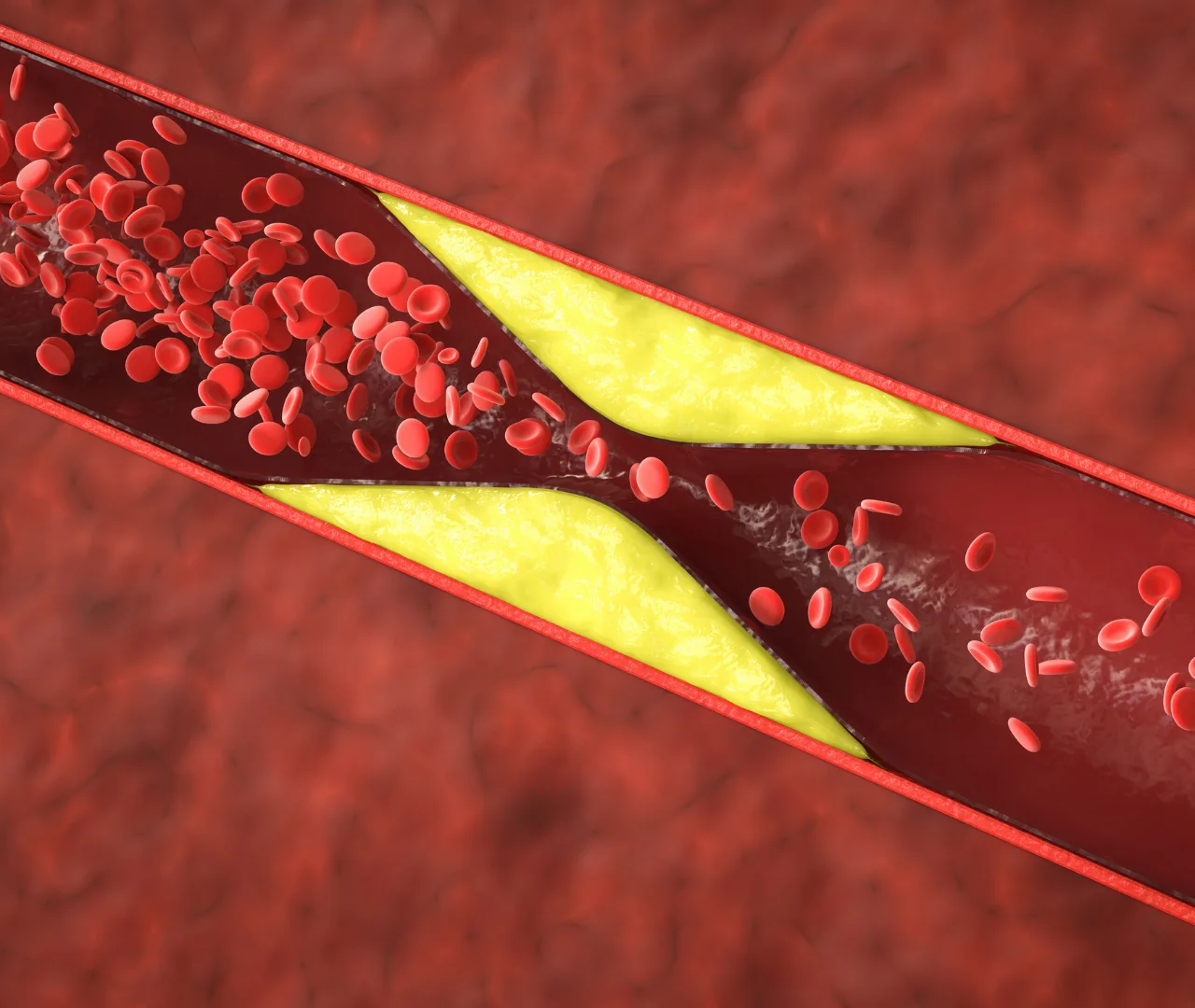
A myocardial infarction (MI), commonly known as a heart attack, occurs when blood flow to part of the heart is blocked, causing damage to the heart muscle. Recovery depends on the extent of the damage and may include fatigue, shortness of breath, reduced exercise tolerance, or decreased heart function.
Post-myocardial infarction treatment typically focuses on preventing another heart attack and protecting heart health through medications, blood pressure and cholesterol management, cardiac rehabilitation, lifestyle changes, and ongoing cardiology care.
Patients exploring post-myocardial infarction treatment in Guanacaste, Costa Rica may also be interested in regenerative medicine. Such approaches remain investigational and should be considered based on individual cardiac health, previous treatment, overall condition, and specialist evaluation.
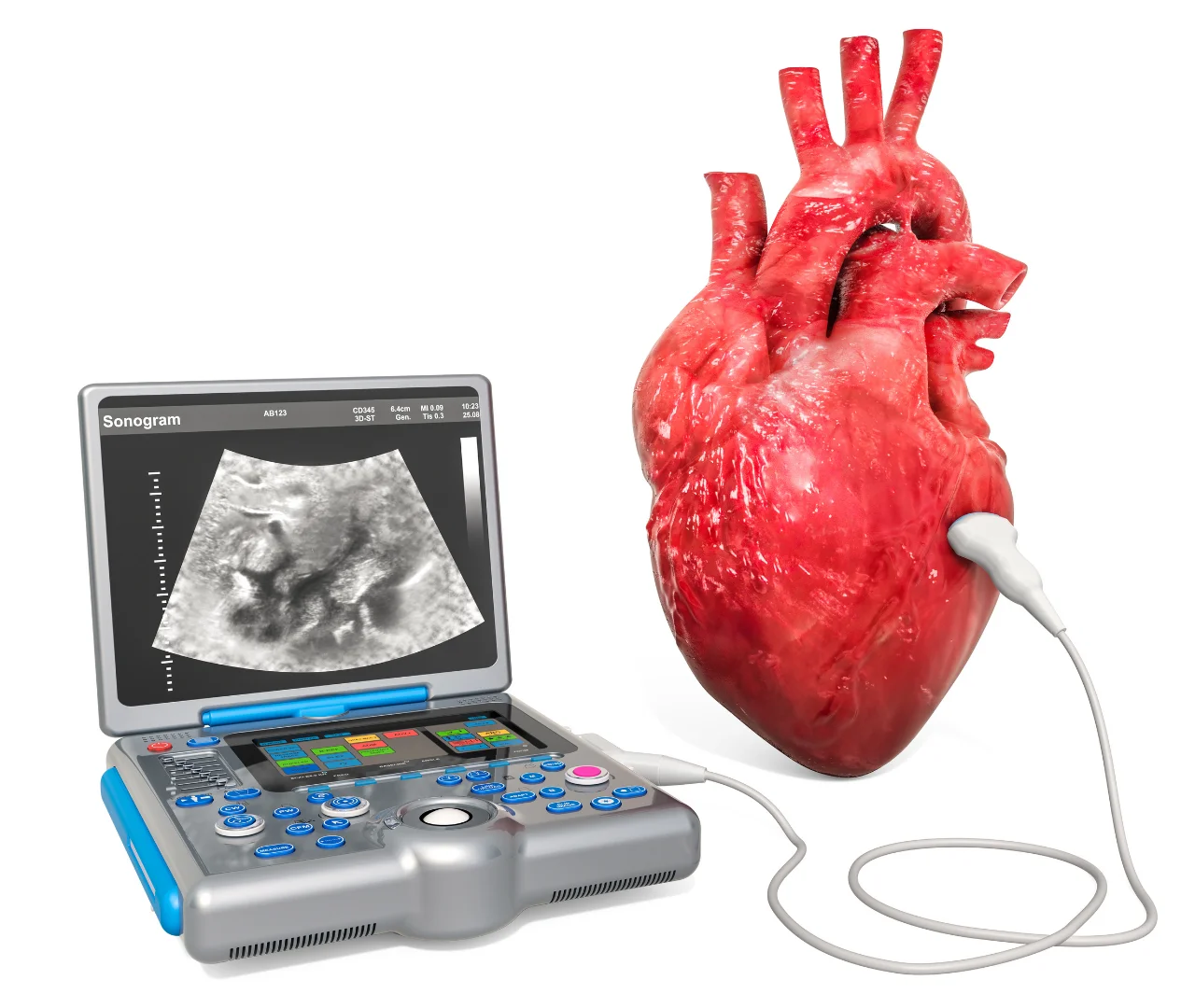
Common Challenges After Myocardial Infarction May include
Reduced Exercise Capacity
Some patients notice reduced stamina or difficulty returning to previous activity levels during recovery after a myocardial infarction.
Shortness of Breath
Changes in heart function may contribute to breathlessness during activity or, in some patients, during routine daily tasks.
Persistent Fatigue
Recovery can involve ongoing tiredness or reduced energy, particularly during the weeks and months following a significant cardiac event.
Reduced Heart Function
Heart muscle damage may affect the heart’s pumping ability, sometimes reflected by changes in left ventricular function or ejection fraction.
Emotional Stress
Anxiety, fear of another heart attack, or low mood can occur during recovery and may influence confidence and overall quality of life.
Ongoing Cardiac Risk
Previous myocardial infarction increases future cardiovascular risk, making medication adherence, rehabilitation, risk-factor management, and follow-up especially important.
How Regenerative Medicine Is Being Studied After Myocardial Infarction
After a myocardial infarction, the heart heals through inflammation and scar formation. Regenerative medicine research is exploring cell-based approaches to support cardiac repair, but these treatments remain investigational and should not replace standard medications, cardiac rehabilitation, or cardiology care.
Cardiac Tissue Research
Researchers continue to investigate biological approaches aimed at understanding and supporting the heart’s response to tissue damage after myocardial infarction.
Cellular Signaling
Cell-based research explores signaling molecules that may interact with pathways involved in inflammation, blood-vessel function, and tissue remodeling.
Inflammatory Response
The inflammatory response plays an important role after heart muscle injury, and regenerative research investigates ways biological processes may influence this environment.
Vascular Support Research
Adequate blood supply is essential for heart health, making angiogenesis and microvascular signaling important areas of cardiovascular regenerative research.
Heart Function Goals
Individualized cardiac care may focus on functional capacity, symptom management, cardiovascular health, and quality of life rather than promising restoration of damaged heart tissue.
Your Post-Myocardial Infarction Care journey Guanacaste
Share Your Cardiac History
Tell us when your heart attack occurred, treatments received, current symptoms, medications, and how your recovery has progressed since the event.
Medical Review
Relevant cardiology reports, ECGs, echocardiograms, angiography, procedure records, laboratory results, and current medications are reviewed to understand your cardiac status.
Treatment Planning
Heart function, previous interventions, symptoms, cardiovascular risks, medical conditions, and recovery progress are considered when assessing potential next steps.
Stem Cell Therapy
If appropriate, an individualized plan is discussed based on your current cardiac health, established care, potential risks, and realistic treatment goals.
Care in Guanacaste
Eligible patients receive planned care in Guanacaste with appropriate clinical monitoring based on their cardiovascular history and individual medical needs.
Follow-Up Care
Continued cardiology follow-up, medication adherence, rehabilitation, and cardiovascular risk management remain important parts of long-term recovery after treatment.
Why Patients Explore Post-Myocardial Infarction Care in Guanacaste
Life after a heart attack may involve ongoing concerns such as reduced stamina, heart function, and cardiovascular risk. Patients researching post-myocardial infarction treatment in Guanacaste, Costa Rica may also explore regenerative approaches alongside standard cardiac care.
At , evaluation considers the patient’s heart function, heart attack history, previous angioplasty, stenting or bypass surgery, medications, rehabilitation, and overall health.
International patients can submit medical records before travel to review potential eligibility and treatment considerations. Patients with heart disease should travel only when medically stable and appropriately cleared.
Any regenerative medicine after myocardial infarction in Costa Rica should complement—not replace—evidence-based cardiac care, secondary prevention, and ongoing cardiology follow-up.

Exploring Additional Support After a Heart Attack?
Share your cardiac history, recent heart-function tests, previous procedures, medications, and recovery goals with our team. An individual case review can help determine whether further evaluation for post-myocardial infarction care in Guanacaste may be appropriate.
Check Your CandidacyWhy Patients Choose us
Advanced Protocols
Safe and evidence-based protocols.
Experienced Doctors
Our team has extensive experience in regenerative medicine.
Costa Rica Licensed Clinic
Licensed clinic with international quality standards.
Personalized Care
Every patient receives an individual and customized treatment plan.
Key Benefits
OUR RESULTS
Have questions? We are here to help!
It refers to ongoing care after a heart attack. It may include medications, cardiac rehabilitation, lifestyle changes, risk-factor management, and regular cardiology follow-up to support recovery and reduce future cardiovascular risk.
Recovery varies according to the location and extent of heart muscle damage, how quickly blood flow was restored, heart function, and overall health. Some patients recover substantial function, while others require ongoing cardiac care.
Stem cells and other regenerative approaches have been studied for cardiac repair, but they are not established treatments proven to regenerate damaged heart muscle in routine clinical care. Research remains ongoing.
No. Do not stop or change prescribed heart medications without your cardiologist. Regenerative approaches should not replace evidence-based medication, cardiac rehabilitation, or other recommended cardiovascular treatment.
Eligibility depends on when your heart attack occurred, current heart function, symptoms, previous procedures, medications, cardiovascular risks, and overall medical stability.
Useful records include hospital discharge summaries, ECGs, echocardiograms, angiography reports, stent or bypass records, recent laboratory results, medication lists, and cardiology assessments.
New or worsening chest pressure, severe shortness of breath, fainting, or symptoms suggesting another heart attack require immediate emergency medical attention, not travel for elective treatment.
Get Your Free Consultation!
Speak with our medical team in Guanacaste, Costa Rica — consultations are free and confidential.